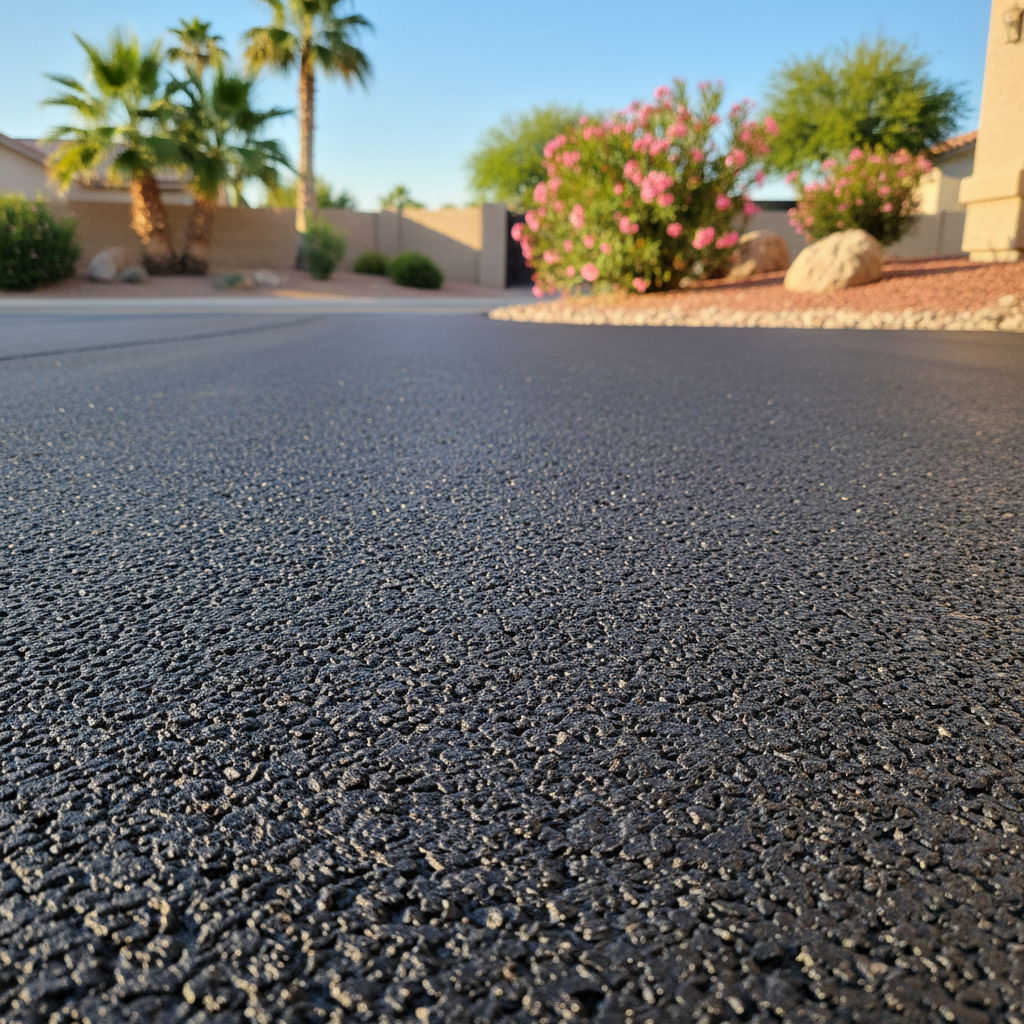
So, you're looking at your driveway, huh? Maybe it's all cracked up, faded, or just never really looked right. You're probably thinking, "Can I just pave this myself, or do I *really* need to hire someone?" That's a fair question, especially with all the DIY videos out there these days. As someone who's been doing this in Phoenix for years, I've seen it all. And I'm here to tell you what's realistic for a homeowner and what's honestly best left to the pros.
Before You Even Think About Paving
First off, let's talk about the groundwork. This is probably the most critical part of any paving project, and it's where a lot of DIY attempts go sideways. You just can't pour asphalt over a bad base and expect it to last, especially with our intense summer heat and those monsoon rains. That ground needs to be stable, drain well, and be compacted properly. If your existing driveway is a mess of potholes and uneven spots, well, you've got a significant base issue on your hands.
What you *can* do yourself is a good assessment. Walk your driveway. Are there soft spots? Does water pool anywhere after a rain? Dig a small test hole if you're brave – what's the soil like underneath? Here in Phoenix, we often deal with caliche, which can be a bear to work with if you don't know what you're doing. Understanding your sub-base is key. You can also clear the area, remove old debris, and make sure you have a clear path for any equipment. That's a good start.
But when it comes to grading, excavating, and laying down a proper aggregate base? That's usually where you need heavy machinery and real expertise. You're talking about precise slopes for drainage, compacting tons of material, and making sure it's all perfectly level *before* the asphalt even shows up. Mess this up, and your new driveway will fail. Guaranteed.
During the Paving Process: Hands-On or Hands-Off?
Alright, let's say you've got a solid base, or maybe you're just planning on a small patch job. What's involved in the actual asphalt application?
For small repairs, like filling a minor pothole or a thin crack, you can absolutely buy cold patch asphalt from a home improvement store. Clean out the hole, pour in the patch, tamp it down firmly. It's not a permanent fix, but it'll get you by for a while. For cracks, a good quality crack filler applied correctly can extend your driveway's life. Worth doing, I think.
However, when we're talking about a whole new driveway, or even a significant overlay, that's a different beast entirely. Hot mix asphalt needs to be applied at specific temperatures, spread evenly, and compacted immediately with heavy rollers. It cools fast. If you don't have the right equipment and crew, you'll end up with an uneven, poorly compacted surface that won't hold up to our Phoenix sun or traffic.
I've seen homeowners try to rent rollers and spread asphalt with shovels. It's a ton of back-breaking work, and the results are almost always disappointing. You end up with an inconsistent surface that'll crack and crumble within a year or two. This is where a professional paving company, like Omega Paving, earns its keep. We've got the specialized equipment, the trained crews, and the experience to get it done right — efficiently, and safely.
After the Paving: What You Need to Do
Once the asphalt is down, whether you did a small patch or had a crew pave your whole driveway, your job isn't over. Proper care in the first few days and weeks is crucial for longevity.
- Stay Off It: For a new driveway, you'll want to stay off it for at least 24-48 hours, sometimes even longer depending on the mix and the weather. Our intense Phoenix heat can make fresh asphalt softer, so give it time to cure.
- No Heavy Loads: Avoid parking heavy vehicles, trailers, or RVs on new asphalt for at least a week, maybe two. That weight can create depressions.
- Avoid Sharp Turns: Don't turn your steering wheel while your vehicle is stationary, especially on a new surface. This can scuff and damage the fresh asphalt.
- Sealcoating: After about 6-12 months, you'll want to consider sealcoating. This protects the asphalt from UV rays, water, and oil spills, which are all major enemies of asphalt here in the desert. You can do this yourself for smaller driveways – clean it thoroughly, apply the sealer evenly, and give it plenty of time to dry. For larger areas, or if you're not comfortable, a professional sealcoating job is a smart investment.
- Regular Cleaning: Keep your driveway clean from dirt, leaves, and oil spills. Oil and gas can break down the binder in asphalt, so clean them up quickly.
Look, I get it. Everyone wants to save a buck. But some jobs, especially with something as foundational as your driveway, are just too big and too complex for a DIY approach to yield good, lasting results. You're better off saving your energy for the smaller maintenance tasks and trusting the big paving jobs to the folks who do it every day. It'll save you headaches and money in the long run.