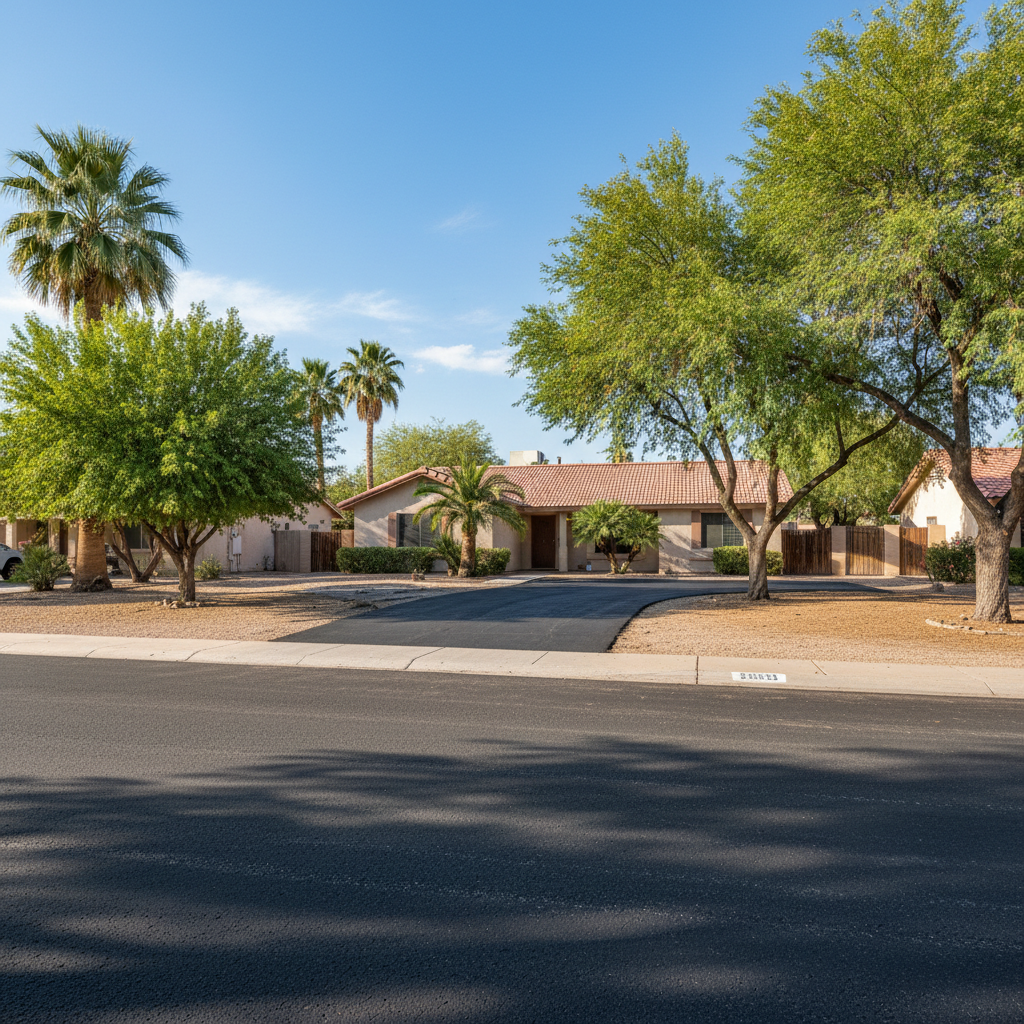
So, when's the absolute best time to mill your asphalt driveway right here in Phoenix? Honestly, it's not as simple as just picking a random Saturday. Our desert climate, with its brutal summers and mild winters, really calls the shots on when you should schedule this kind of work if you want it done right – and if you want it to actually last.
What Exactly *Is* Asphalt Milling?
First things first, let's get clear on what we're even talking about. Milling, sometimes you'll hear it called cold planing or asphalt reclamation, is when we use a special machine to peel off a layer of your existing asphalt. We're not talking about ripping out the whole thing down to the dirt, mind you. Instead, we're shaving off just the top few inches – usually somewhere between 2 to 4 inches – to get rid of those pesky cracks, ruts, or other surface damage. It leaves behind a rough, textured surface, which is actually perfect for a new layer of asphalt to bond to. Think of it like sanding down old wood before you paint it, but, you know, on a much bigger, tougher scale.
Why mill instead of just patching or doing another overlay? Well, if your driveway has some pretty serious structural issues on the surface, or if you've already done too many overlays and now your driveway is getting too high (which can cause drainage problems or issues with garage door clearance, something I see a lot in older neighborhoods like Sunnyslope), then milling is often the smartest move. It brings back the proper grade and lets us put down a fresh, strong surface without adding too much height.
The Phoenix Climate and Your Milling Project
This is where living in our unique location really makes a difference. You just can't mill asphalt when it's 115 degrees out, and you definitely don't want to do it when it's too cold either. That doesn't happen often here, let's be honest, but it's still something to consider for proper curing.
Ideal Timing: Fall, Winter, and Early Spring
For asphalt milling in Phoenix, you've actually got a pretty big window, but it generally skips those peak summer months. We're talking late September right through about May. Here's why:
Moderate Temperatures: Asphalt is super sensitive to temperature. When it's too hot, it gets soft and pliable, which can make milling less precise and really hard on the equipment. When it's too cold, it turns brittle, making it tougher to cut cleanly and potentially causing more damage to the base underneath. Our fall, winter, and spring months give us those sweet spot temperatures – usually 60 to 90 degrees Fahrenheit – where the asphalt is firm enough to mill efficiently but not so hard it causes excessive wear or cracking.
Better for Crew and Equipment: Let's be real, working outside in July or August when the ground temperature is pushing 150 degrees isn't just uncomfortable, it's flat-out dangerous. Our crews can work more safely and get more done in cooler weather, which, in turn, means a better job for you. Plus, extreme heat really puts a lot of strain on heavy machinery.
Optimal for Repaving: After we mill, you'll be getting a new layer of asphalt. The same temperature rules apply for paving, too. You want that new asphalt to cool and compact just right, and that's best done in moderate temperatures. Too hot, and it takes forever to cool, increasing the risk of rutting. Too cold, and it cools too fast, which can lead to poor compaction and a weaker surface down the road.
When to Avoid Milling
Peak Summer (June - August): Like I said, try to avoid it if you can. The intense heat makes the asphalt way too soft, and it's just not ideal for the process or for the folks doing the work.
Rainy Season (Monsoon): While we can mill in a light drizzle, heavy downpours during our monsoon season (which typically runs from July to September) are a definite no-go. The ground needs to be pretty dry for proper milling, and especially for the paving that comes after. Moisture can mess with the bond between the new asphalt and the milled surface, leading to early failure. Nobody wants that.
Protecting Your Investment Year-Round
Once you've had your driveway milled and repaved, you'll naturally want to protect that fresh investment. Here's what I tell all my clients:
Sealcoating: About 6-12 months after your new asphalt is laid, get it sealcoated. This really protects it from the sun's UV rays – which are absolutely relentless here – and from oil and gas spills. It's basically sunscreen for your driveway.
Regular Cleaning: Just keep it clean. Sweep off dirt, leaves, and any debris. And don't let oil or chemical spills sit on the surface; clean them up quickly.
Address Cracks Promptly: Even with a brand new surface, small cracks can pop up over time. Don't ignore them. Fill them with a good quality crack filler to stop water from seeping into the base, which, believe me, is the biggest enemy of any asphalt surface.
Avoid Heavy Loads: Try not to park really heavy vehicles (like RVs or commercial trucks) on your residential driveway for long periods, especially during the hottest parts of the year when the asphalt is softer.
By understanding how our Phoenix climate affects asphalt milling and taking these protective steps, you'll make sure your newly refreshed driveway from Omega Paving lasts for years and years. Don't hesitate to give us a call if you've got questions about your specific situation – we're always happy to help.