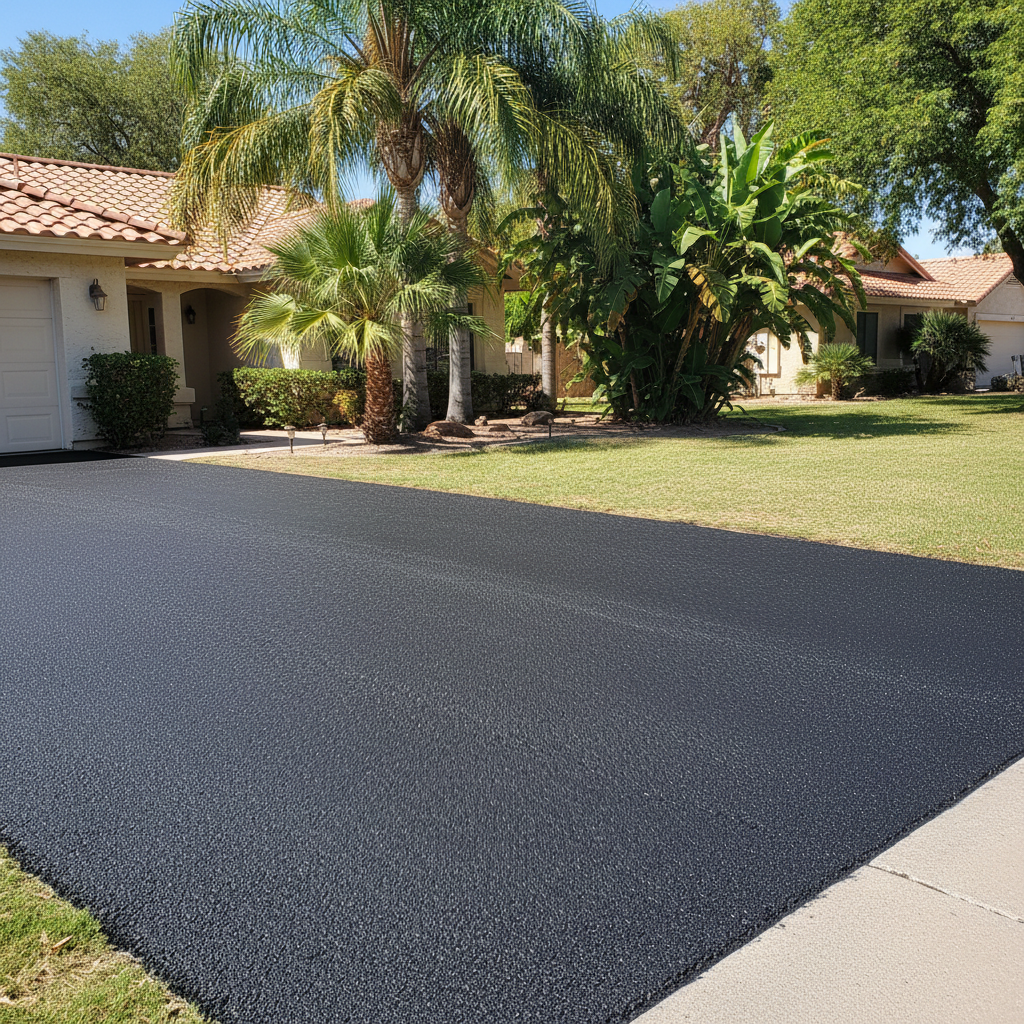
Think your asphalt just takes care of itself once it's laid down? You'd be wrong, especially here in Phoenix. Our brutal summers, with those 115-degree days, and even the monsoon downpours, are tough on everything. That includes your driveways and parking lots. If you want your asphalt to last, you've gotta put in a little effort. It's not rocket science, but it does require some attention.
Extending Your Asphalt's Lifespan Under the Desert Sun
The biggest enemy of asphalt in Phoenix isn't always heavy traffic. More often, it's the sun's UV rays and that extreme heat. Constant baking makes the asphalt binder — the stuff that holds it all together — oxidize and turn brittle. That's when cracks start showing up, and once water gets in there, well, it's a downhill slide.
So, what can you do? Regular sealcoating is your first line of defense. Think of it like sunscreen for your pavement. It puts a fresh, protective layer over the surface, blocking those UV rays and helping keep the asphalt flexible. We usually recommend sealcoating every 2-3 years for most residential driveways, maybe more often for high-traffic commercial lots or if it's really exposed to the sun all day. It also helps with that 'heat island' effect, making the surface a little cooler to the touch. That's a big deal when you're walking across a parking lot in July, isn't it?
Drainage is another huge factor. We don't get a ton of rain, but when we do, it comes down hard. If water sits on your asphalt, it'll seep into any tiny cracks, expand and contract with temperature changes, and cause real damage. Make sure your gutters are clear and your landscape isn't directing water onto your pavement. Good grading when the asphalt was installed is crucial, but if you've got standing water, you need to address it.
What Regular Maintenance Looks Like
It's not just about big projects; small, consistent actions make a difference. Here's what I tell my clients:
- Keep it Clean: Sweep or blow off dirt, leaves, and debris regularly. Organic matter can hold moisture against the surface, and sharp rocks can get ground into the asphalt by tires.
- Address Spills Immediately: Oil, gas, and other automotive fluids are like poison to asphalt. They break down the binder. If you spill something, clean it up with an absorbent material right away. Don't let it sit and soak in.
- Trim Overhanging Trees/Shrubs: Roots can grow under your asphalt and cause it to buckle and crack. Keep an eye on any plants near the edges of your pavement.
- Patch Small Cracks: Don't wait for a small crack to become a pothole. Use a good quality crack filler as soon as you see them. This is probably the most important thing you can do between sealcoats because it keeps water out.
Warning Signs You Can't Ignore
Your asphalt will tell you when it's in trouble; you just need to know what to look for. Don't let these go unaddressed:
- Alligator Cracking: This looks like a series of interconnected cracks, much like an alligator's skin. It means the base layer is failing, and water has likely gotten underneath. This isn't a surface issue anymore; it's structural.
- Potholes: Obvious, I know. But a pothole starts as a small crack that gets ignored. Once you see one, it's only going to get bigger and deeper, especially with our heavy monsoon rains washing away the base material.
- Fading and Discoloration: If your asphalt looks gray instead of black, it's a clear sign that the binder is oxidizing and losing its protective qualities. This usually means it's time for a sealcoat.
- Standing Water: After a rain, if you've got puddles that don't drain within an hour or so, you've got a drainage problem that needs fixing. That water is weakening your sub-base.
- Edge Deterioration: The edges of your driveway or parking lot are often the first to go. If they're crumbling or breaking off, it indicates a lack of support or poor compaction during installation.
When to Call a Professional (Like Omega Paving)
Look, for small crack filling and basic cleaning, you can handle it. But there are times when you really need to bring in the pros. If you're seeing widespread alligator cracking, significant potholes, or large areas of crumbling asphalt, it's beyond a DIY fix. These issues often point to problems with the sub-base or an overall breakdown of the pavement structure.
Also, if you're planning a major sealcoating project for a large commercial lot, or if you've got drainage issues that require re-grading, don't try to tackle that yourself. You need the right equipment, materials, and expertise to do it right and ensure it lasts. Here at Omega Paving, we've seen it all, from small residential driveways in Scottsdale to massive commercial parking lots in Glendale. We know what Phoenix asphalt needs to survive and thrive. Don't wait until a small problem becomes a complete tear-out and replacement. A little proactive maintenance goes a long way in saving you big money down the road.