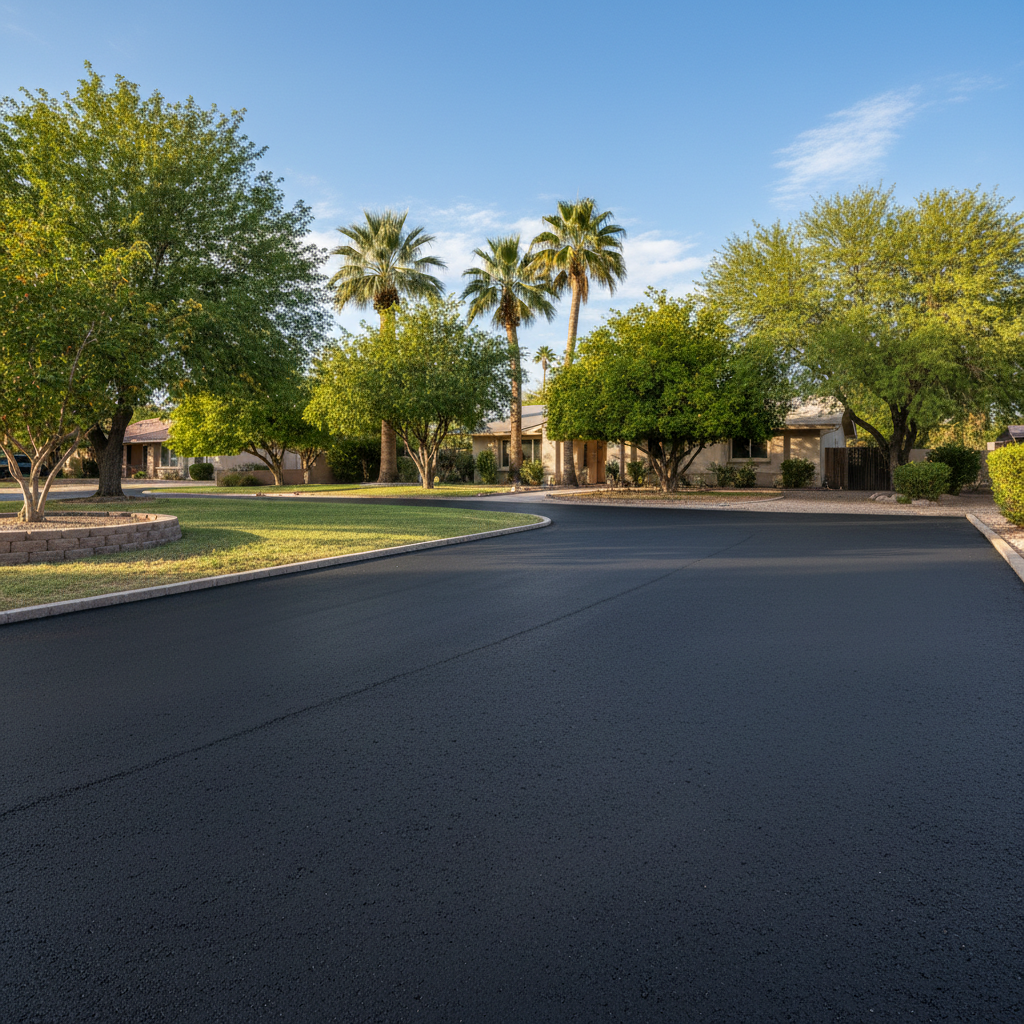
You've put good money into your asphalt, whether it's your home driveway or a business parking lot. Protecting that investment just makes sense, especially here in Phoenix where the sun and heat really don't let up. I've seen too many folks just let their pavement go, only to face much bigger, far more expensive repairs later on. So, let's chat about how to keep your asphalt strong and stretch its life out.
Regular Maintenance: Your Pavement's Best Friend
Think of your asphalt like your car; it needs regular check-ups and a little TLC to work its best. Our desert climate, with its intense UV rays and those sudden monsoon downpours, is particularly tough on asphalt. So, what exactly does "regular maintenance" look like?
Keep it Clean: Sounds pretty simple, right? But things like leaves, dirt, and even oil spills can actually break down the asphalt binder over time. Make sure to sweep or blow off your paved areas regularly. If you get oil or gas spills, clean them up right away. A good degreaser and a stiff brush can do wonders. Just don't let those chemicals sit and soak in.
Watch for Weeds: Weeds and grass absolutely love to push their way through cracks. They might seem tiny, but their roots can widen those cracks and speed up deterioration. Pull them out or use a weed killer specifically made for paved surfaces. Get 'em before they really dig in.
Address Drainage: Water is asphalt's arch-nemesis. If you have standing water after a rain, even a quick monsoon shower, that's a problem. It usually means your grading might be off, or you have low spots where water can pool and seep into the sub-base. This is super critical in places like the Arcadia neighborhood, where older properties might not have perfect drainage. Good drainage moves water away from the asphalt, stopping erosion and keeping that base layer from getting soft.
Sealcoating (When It's Right): I've talked about sealcoating before, but it's worth bringing up again as part of regular maintenance. It's basically sunscreen for your asphalt. It protects against UV damage, oxidation, and helps water bead right off. For residential driveways, you might be looking at every 2-3 years. Commercial lots, with all that heavier traffic, might need it more often. Just remember, it's not a fix for existing problems, but a preventative step.
Warning Signs: Don't Ignore These Red Flags
Your asphalt will definitely tell you when it's hurting; you just need to know what to look for. Spotting these early can save you a ton of money.
Cracks: Any cracks at all signal stress. Small hairline cracks can often be filled with crack sealant. If they're wider than a quarter-inch, though, or if you see "alligator cracking" (those interconnected cracks that look like alligator skin), you've got a more serious issue. Alligator cracking means the base layer is failing, and you're probably looking at patching or maybe even a full-depth repair.
Fading & Discoloration: New asphalt is black. Over time, the sun oxidizes the surface, turning it gray. This fading shows the asphalt is losing its flexibility and getting brittle. It's a prime candidate for sealcoating to bring back that protective layer.
Potholes: These aren't just a warning sign; they're a full-blown emergency. Potholes start as small cracks that let water get in, weakening the base. Traffic then pounds on that weak spot, dislodging pieces of asphalt. They'll only get bigger and cause more damage to vehicles. Get them repaired fast.
Raveling: This happens when the aggregate (the small stones) starts to come loose from the asphalt binder, making the surface rough and crumbly. It's a clear sign of significant oxidation and wear, often because of a lack of sealcoating or just an old surface.
Standing Water: As I mentioned, water pooling on your asphalt is a problem. It softens the subgrade, which then causes depressions and eventually, potholes. If you see puddles long after the rain has stopped, that's a drainage issue that needs attention.
When to Call a Professional (Like Omega Paving)
Some things you can handle yourself, like sweeping or pulling weeds. But for the bigger stuff, you really need a pro. Don't try to tackle major crack repair or pothole filling if you don't know what you're doing; you could actually make it worse. Here's when to give us a ring:
Extensive Cracking: If you've got widespread cracking, especially that alligator kind, you need an expert to take a look. We can figure out if it's just a surface problem or if the base needs rebuilding.
Potholes: While a temporary cold patch might get you by for a bit, a proper hot asphalt repair is essential for a fix that lasts. We've got the right equipment and materials to do it correctly.
Drainage Problems: If water is consistently pooling, it's not just an asphalt problem, it's a grading and possibly a sub-base issue. We can check out the area and suggest solutions, whether that's re-grading, adding drains, or adjusting the pavement's slope.
Raveling or Significant Surface Deterioration: When your asphalt is crumbling or showing widespread aggregate loss, it's time for more than just a sealcoat. You might need an overlay or milling and repaving, depending on how bad it is.
Any Time You're Unsure: Honestly, if you're looking at your asphalt and just don't know what to do next, give us a call at Omega Paving. We're always happy to come out, take a look, and give you an honest assessment. It's always better to deal with small problems before they become huge, costly headaches, isn't it?
Taking care of your asphalt isn't just about how it looks; it's about safety, how well it works, and protecting your investment. A little proactive maintenance goes a long way in keeping your Phoenix property looking good and your pavement lasting for years.