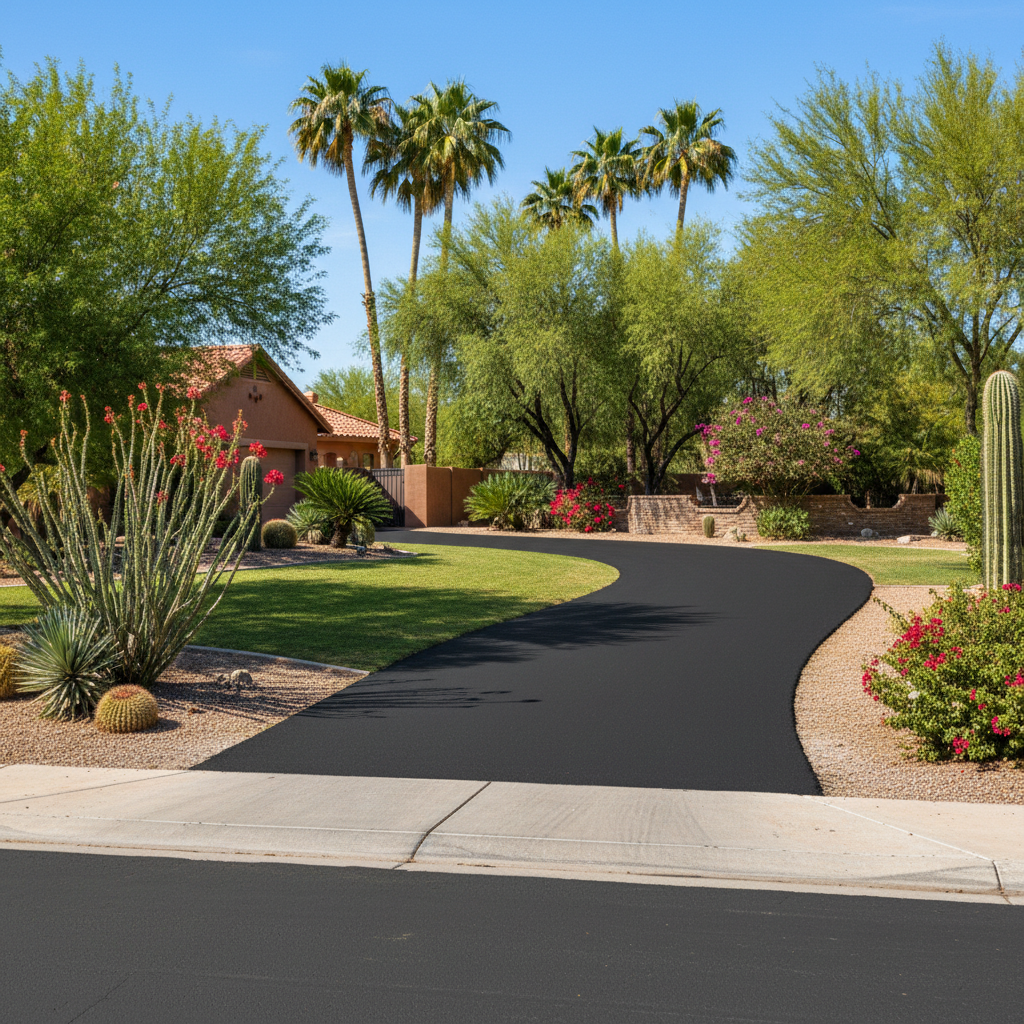
Alright, let's talk about asphalt paving here in Phoenix. You might think it's pretty simple, right? Just lay down some blacktop, and boom, you're good to go. But, honestly, I've seen too many homeowners get burned, ending up with a cracked, faded, or crumbling driveway way too soon. It's not just about the money lost; it's the headache and the regret that really sting. So, I'm going to lay out some of the biggest mistakes I see folks make when they're planning or hiring for an asphalt project in our desert climate.
Ignoring the Foundation (Literally)
This is probably the number one mistake people make, and it's mostly invisible until it's too late. Your asphalt is only as good as what's underneath it. I'm talking about the base, of course. If that subgrade isn't properly prepared, graded, and compacted, you're just asking for trouble. We've got expansive clay soils in some parts of Phoenix, like out towards the West Valley, that can really shift with moisture. If your contractor just throws asphalt on top of an unstable, poorly drained base, you'll see cracks, dips, and potholes faster than you can say "monsoon season." A proper base needs well-compacted crushed aggregate, usually several inches thick. Skipping or rushing this step saves a little cash upfront, but it'll cost you a whole lot more in repairs down the road. Trust me on this one.
Falling for the "Leftover Asphalt" Scam
You're minding your own business, and then some crew rolls up in an unmarked truck. They say they just finished a big job down the street and have "leftover asphalt" they can put on your driveway for cheap, right now. Sound familiar? Run. Don't walk, run. This is a classic scam. They'll use low-quality, thin material that won't last, do a quick, sloppy job, and then disappear before you even realize you've been ripped off. These guys often travel from town to town, so good luck finding them when your new driveway starts falling apart in six months. Always get a written estimate, check references, and make sure they're licensed and insured. It's just common sense, really.
Not Considering Phoenix's Unique Climate
Our triple-digit summers and intense UV exposure are no joke. Asphalt in Phoenix needs to be tough. Some contractors, especially those not familiar with our specific conditions, might use a generic asphalt mix or sealants that just aren't up to the task. You need a mix designed to handle extreme heat and UV degradation. Also, timing matters. Laying asphalt in extreme heat or when rain is expected can lead to poor compaction and early failure. We're talking about a surface that's going to expand and contract a lot, so the right materials and proper installation techniques are crucial for longevity.
Hiring the Cheapest Bid Without Doing Your Homework
I get it, everyone wants a good deal. But when it comes to asphalt, the cheapest bid is rarely the best. Low quotes often signal poor quality work or materials. You've got to look beyond the price tag. Here's what you should be looking for:
- Licensing and Insurance: Always, always verify these. A legitimate contractor will have them, and they're there to protect you.
- References and Portfolio: Ask for recent jobs they've done and actually check them out. A good contractor will be proud to show off their work.
- Detailed Written Contract: Don't settle for a handshake. Get everything in writing: scope of work, materials, timeline, payment schedule, and warranty.
- Payment Demands: Be wary of anyone asking for full payment upfront. A reasonable down payment is normal, but the whole shebang? That's a red flag.
Forgetting About Drainage
Water is asphalt's worst enemy. If your new asphalt doesn't have proper drainage, water will pool, seep into the base, and cause all sorts of problems like potholes and cracks. A good contractor will ensure your surface has a minimum slope to direct water away. This is especially important before our summer monsoons hit. You don't want your driveway turning into a birdbath, do you?
Neglecting Sealcoating and Maintenance
Some folks think once the asphalt is down, they're done. Not true, especially here in Phoenix. Our sun and heat will break down the asphalt binder over time. Sealcoating every 2-3 years is one of the most effective ways to protect your investment from UV rays, water, and chemical damage. It's like sunscreen for your driveway. Regular cleaning and prompt crack filling also go a long way in extending the life of your asphalt.
Look, I've been in this business a long time with Omega Paving, and I've seen it all. Don't let a bad paving job turn into a costly nightmare. Do your homework, ask the right questions, and don't cut corners where it counts. Your wallet will thank you for it, and so will your peace of mind.